Cairo, Luxor, and Aswan: Plane, Sleeper Train, or Private Transfer?
Compare planes, overnight trains, daytime rail and private transfers between Cairo, Luxor and Aswan by time, comfort and risk.



Seven days can cover Cairo, Luxor and Aswan when you prioritise one strong experience in each place, use efficient intercity transport and resist adding a distant detour to every day.
A week is enough for a meaningful first trip, but not for everything Egypt offers. The successful shape is a clear north-to-south route with limited hotel changes. International arrival and departure times also matter: seven hotel nights and seven calendar days are not the same thing.
The seven-day private Cairo, Luxor and Aswan tour provides an approved land-based product framework. Use the Egypt tour packages hub if your available nights or destinations differ.
This outline assumes the trip begins in Cairo and finishes in Upper Egypt. Reverse it if flights work better, but do not treat transport days as empty space. Every transfer includes packing, checkout, station or airport time and the journey to the next hotel.
Giza deserves deliberate time for the plateau and Sphinx area. Pairing it with Saqqara can create a coherent archaeology day, while a major museum changes the focus and may make the schedule denser. Confirm opening and ticket arrangements close to travel.
A separate city day can explore Islamic and Coptic heritage without treating neighbourhoods as quick photo stops. Browse Cairo day tours and use the Egypt travel etiquette guide before visits to active religious sites.
Luxor rewards more time than a checklist approach. If only one full day is available, choose a manageable set across both banks and allow for heat, walking and explanations. The private East and West Bank highlights tour is designed for that first look.
Travellers especially interested in tombs may prefer the West Bank tombs and temples tour and a separate East Bank visit. The one-day Luxor guide helps make the trade-off.
Aswan’s scale and river setting offer a useful change of pace. A first visit can combine Philae with selected city sights, while a felucca or respectfully arranged Nubian experience offers a different lens.
The Philae, High Dam and Unfinished Obelisk tour covers the classic circuit. Abu Simbel is a separate long excursion and should not be squeezed into a departure day without verified transport margins.
Flying can conserve travel hours but adds airport processes. An overnight train may save a hotel night yet affects sleep differently for every traveller. A private driver makes sense on selected regional legs but not automatically for the whole country.
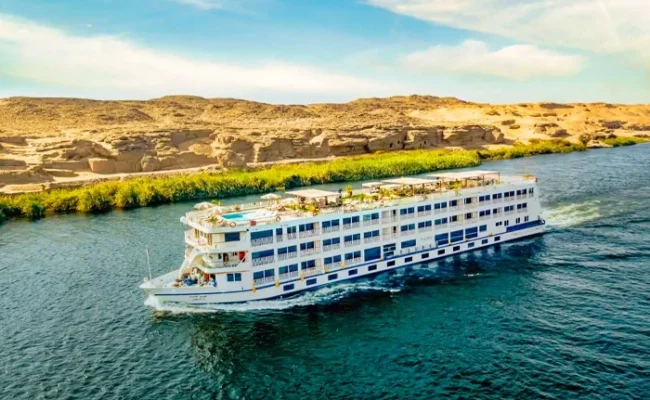
A Nile cruise changes the itinerary rather than simply replacing transport; most classic sailings require several nights. For a seven-day trip, choose either a land-led route or redesign the week around the cruise. Compare options in the intercity transport guide.
Adding Alexandria, the Red Sea, the Western Desert and Abu Simbel to the same week creates more transit than discovery. Choose one only if it replaces, rather than crowds, another element. A future trip is not a planning failure.
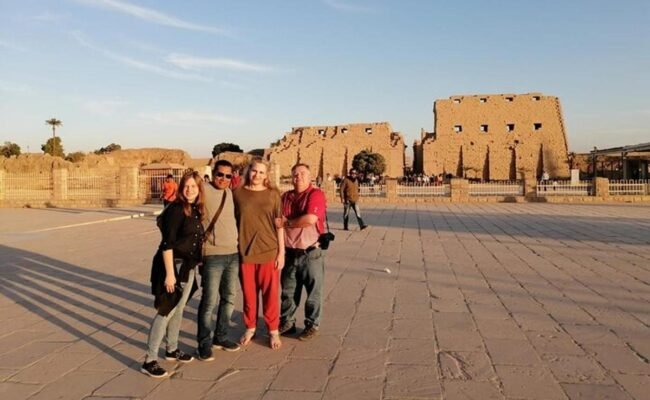
Families and travellers who need regular rest should reduce the daily site count further. The family planning guide covers rooms, vehicles and pacing questions.
Yes, but the whole route must be built around its fixed nights and operating schedule. You will need to reduce land time elsewhere.
It can reduce backtracking when a suitable connection exists. Verify current airline schedules and allow adequate international connection time.
It is important to many travellers but not mandatory. Include it only when the additional journey suits your priorities and pace.
Protect the essential trio—Cairo, Luxor and Aswan—and let each have a clear purpose. Once transport is confirmed, add optional visits only where real time remains.
A curated list of the most popular travel packages based on different destinations.

Compare planes, overnight trains, daytime rail and private transfers between Cairo, Luxor and Aswan by time, comfort and risk.
Plan ten days in Egypt across Cairo, Upper Egypt and the Red Sea with a realistic cruise sequence and time to recover.
Plan an Egypt family trip around realistic pacing, room layouts, vehicle needs, food flexibility, heat and each child’s interests.



