Egypt Trip Cost Guide: How to Build a Realistic Travel Budget
Create a realistic Egypt trip budget by separating transport, accommodation, guiding, admissions, meals, tips, and a sensible contingency.



The best time to visit Egypt depends on what you plan to do and how you handle heat. Cooler periods generally make long outdoor sightseeing days more comfortable, while hotter periods reward early starts, lighter schedules, and careful planning. The Red Sea, desert, Cairo, Luxor, and Aswan do not offer identical conditions, so choose for your route rather than for the country as a single climate.
Temple courtyards, archaeological plateaus, desert roads, balloon flights, and boat outings expose travellers to conditions in different ways. Identify the activity you would be most disappointed to miss, then work outward. A traveller focused on tombs and temples may value comfortable daytime sightseeing; a diver or snorkeller will care more about sea, wind, and operator conditions; a family may prioritise manageable midday temperatures and hotel facilities.
| Broad period | Planning advantage | Trade-off to consider |
|---|---|---|
| Cooler months | More comfortable outdoor touring for many visitors | Popular dates may feel busier and require earlier booking |
| Transitional months | A balance between temperature, availability, and route flexibility | Conditions can vary, so packing needs more range |
| Hotter months | Early-day sightseeing and slower afternoons can create a clear rhythm | Heat can limit walking time and make ambitious routes unsuitable |
These are planning patterns, not forecasts. Check current climate information for each stop and a reliable short-range forecast close to departure.
Cairo combines indoor collections, busy streets, and exposed archaeological areas. On warmer days, begin an outdoor visit early and reserve an indoor or flexible activity for later. Even in a cooler period, sun protection and water matter at Giza and Saqqara. Air quality, wind, and visibility can also change the feel of an outdoor day without making simple seasonal promises possible.
Use the two-day Cairo itinerary to separate major areas rather than squeezing every highlight into one long day.
Upper Egypt can demand more of a traveller because many major sights involve outdoor walking, uneven ground, or limited shade. In hotter conditions, schedule the most exposed visits earlier, plan a proper break, and avoid turning a late return into another major evening activity. A private itinerary can make that pacing easier, though site access and operating hours still set boundaries.
Browse the Luxor tour hub and Aswan tours to compare focused days rather than building one overloaded circuit.
Season matters, but so do cabin position, sun-deck shade, air-conditioning, excursion timing, and the direction of travel. Ask how the operator schedules shore visits and what happens when navigation or operational conditions change. A named ship and written itinerary are more useful than a generic promise of ideal cruise weather.
Our guide to choosing a Nile cruise covers vessel, cabin, route, and inclusion questions that apply in every season.
A pleasant air temperature does not automatically mean ideal sea conditions, visibility, or wind for a particular outing. Ask the marine operator about the day’s assessment, equipment, swimming requirements, and cancellation process. Wildlife encounters should never be treated as guaranteed.
Desert experiences require another set of checks: vehicle standards, communications, guide qualifications, route permission, water, shade, and overnight equipment where relevant. Conditions can change quickly, so current operator information matters more than a broad monthly label.
Religious observances, public holidays, school breaks, major events, and local operating decisions can affect transport, meal timing, and attraction access. Their dates or impacts may vary. Check official calendars and ask your operator how a specific date changes the proposed programme. Treat claims such as “empty sites” or “no queues” with caution; crowd levels are never assured.
After choosing a window, compare the more detailed winter-versus-summer travel experience and build seasonal layers with the Egypt packing guide. Then revisit the first-trip planning sequence and match it to the current Egypt package collection. The goal is not a supposedly perfect month; it is a route whose daily demands suit the conditions you are likely to encounter.
A curated list of the most popular travel packages based on different destinations.
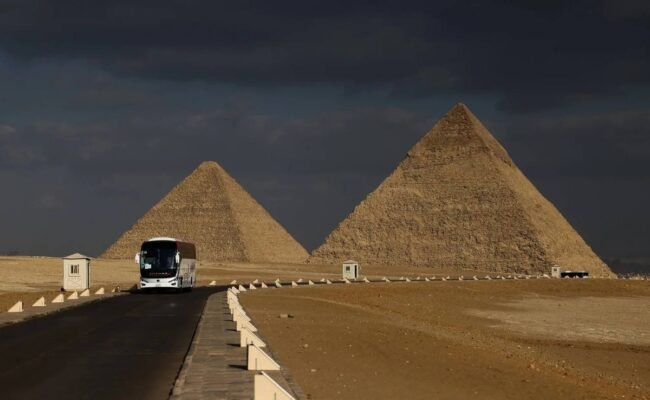
Create a realistic Egypt trip budget by separating transport, accommodation, guiding, admissions, meals, tips, and a sensible contingency.

Compare private and group tours in Egypt by pace, flexibility, guide access, cost structure, family needs, and the kind of trip you want.

Compare practical five-, seven-, ten-, and fourteen-day Egypt trip shapes, including what to prioritise and where extra nights make the biggest difference.

Use a practical interview checklist to choose an Egyptologist guide whose knowledge, language, pace, and service scope fit your Egypt trip.

Build a first Egypt itinerary in a sensible order, from choosing your route and trip length to arranging transport, guides, and booking checks.



