Marsa Alam Excursions Guide: Reefs, Desert, and Ancient Egypt
Compare Marsa Alam sea, protected-area, desert and cultural excursions by distance, energy, wildlife ethics and group format.



First-time snorkellers in Hurghada should choose a trip with clear supervision, correctly fitted equipment, flotation support and an honest alternative for anyone who decides not to enter the water.
Snorkelling looks simple, but comfort improves dramatically when you understand the equipment and do not feel rushed. The aim is relaxed breathing and controlled movement, not keeping up with the strongest swimmer in the group.
Compare approved trips on the Hurghada excursions page, including the Giftun Island snorkelling day and Mahmya Island trip. Ask the operator to confirm the current programme and safety rules.
Tell the operator if you are a non-swimmer, nervous in open water or unfamiliar with fins. A life jacket adds buoyancy but does not replace supervision or swimming skill. Ask whether entry is from a ladder, beach or tender and whether a guide remains with beginners.
You should always be free to stay on the boat or beach. A worthwhile trip has value beyond entering deep water and does not pressure guests into an activity they are uncomfortable doing.
A mask should seal comfortably without being painfully tight. Hair or fabric under the skirt can cause leaks. Fins should feel secure without pinching; overly loose fins can rub or disappear during entry. Ask whether prescription masks or children’s sizes are available if relevant.
Practise breathing through the snorkel in calm shallow water when possible. If water enters, lift your head and reset rather than panicking. Do not use unfamiliar advanced equipment without instruction.
Find out the expected guest count, guide-to-swimmer ratio, shaded space, toilet access and ladder design. Ask whether equipment is distributed before departure and whether there is time to change sizes.
Conditions influence the selected reef and time in the water. Wind, current and visibility are variable, so a responsible crew may relocate or cancel a stop. That is preferable to forcing the advertised plan.
Keep fins and hands away from coral. Do not stand on the reef, chase animals or remove shells. Maintain enough distance that your presence does not change an animal’s direction or behaviour. Follow the guide’s local instructions even if another swimmer ignores them.
Wildlife is not scheduled. Avoid any product promising a guaranteed encounter with a free-ranging animal. Good marine experiences are based on observation, not pursuit or touching.
Sun reflects from the water, and a breeze can hide how much exposure you receive. Use shade, suitable clothing and sun protection. Bring water if it is not supplied, and ask about meals if the excursion spans most of the day.
Motion-sensitive travellers can discuss prevention with an appropriate healthcare professional before the trip. Choose a boat and schedule with your comfort in mind, and avoid giving individual medication to another guest.
If beach time matters as much as the reef, use the Orange Bay versus Paradise Island guide. For other activity types, the complete Hurghada excursions guide offers a broader comparison.
Do not assume so. Discuss your ability with the operator and choose a programme with suitable shallow-water or non-swimming alternatives and appropriate supervision.
No wildlife or visibility can be guaranteed. Conditions and animal movements are outside an operator’s control.
Many trips provide equipment, but fit and condition vary. Confirm sizes and bring personal gear if you prefer and the operator permits it.
Choose a crew that welcomes questions and matches the water plan to your ability. A calm ten minutes with well-fitted gear is a better start than being rushed into deeper water.
A curated list of the most popular travel packages based on different destinations.

Compare Marsa Alam sea, protected-area, desert and cultural excursions by distance, energy, wildlife ethics and group format.

Plan a Hurghada-to-Luxor day trip with realistic expectations for road time, early pickup, temple choices, guiding and comfort.

Choose a Hurghada excursion by activity, travel time, energy level, group format and what the operator confirms is included.

Compare Orange Bay and Paradise Island trips by beach time, snorkelling, boat format, family needs and confirmed inclusions.
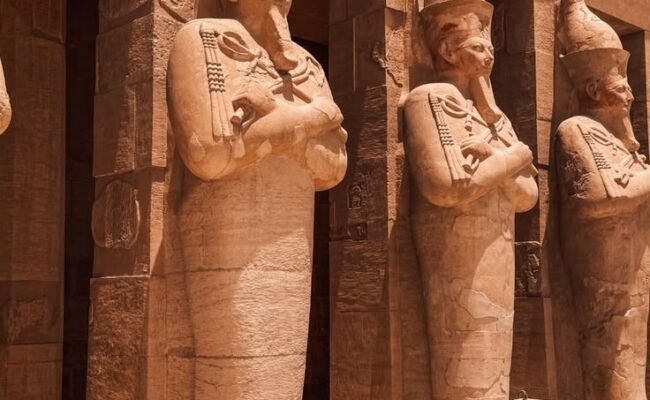
Decide whether a Marsa Alam-to-Luxor day trip suits you by assessing pickup geography, road time, site priorities and private or shared travel.



