Beyond the Famous Tombs: Deir el-Medina and Luxor’s West Bank
Discover why Deir el-Medina deserves a focused West Bank visit, from its workers’ community and decorated tombs to a thoughtful specialist route.



Plan a Luxor West Bank day by choosing one main theme and a small number of complementary sites. The Valley of the Kings, memorial temples, Deir el-Medina, and other tomb areas each reveal different communities and purposes. Trying to include all of them usually reduces the day to entrances and exits rather than understanding.
First-time visitors often centre the day on royal burial and commemoration: selected Valley of the Kings tombs plus a major memorial temple. Repeat visitors might focus on the people who designed and decorated royal tombs at Deir el-Medina, or compare artistic programmes across less familiar sites.
Your guide should explain why the chosen places belong together. A route built around “everything open” is vulnerable to fatigue, heat, ticket complexity, and changing access.
| Route style | Core idea | Who it suits |
|---|---|---|
| First-time highlights | Royal tombs plus one major memorial temple | Visitors with one West Bank day |
| Art and tomb detail | Fewer tombs with more time to observe and discuss | Art, photography, and history enthusiasts |
| Ancient community | Deir el-Medina and related non-royal material | Repeat visitors and social-history interests |
| Temple landscape | Selected memorial temples and their settings | Travellers who prefer architecture to confined tomb interiors |
Ticket packages, included tombs, separately ticketed tombs, and open rotations can change. Decide whether your goal is a representative selection or one specific tomb, then verify the official arrangement for your date. A guide may explain context outside because guiding rules inside tombs can differ; ask how interpretation will work.
Read the dedicated Valley of the Kings visit guide for ticket-process, heat, and photography questions.
Large temples are not secondary stops. Their terraces, courts, reliefs, landscape position, and later histories deserve attention. Choose one that complements the tomb visit rather than adding multiple monumental sites with no pause. Current restoration and access will affect the route.
Deir el-Medina shifts attention from royal patrons to the community associated with creating royal tombs. Domestic remains, texts, chapels, and decorated non-royal tombs can make ancient labour and family life more immediate. The Deir el-Medina guide helps decide whether it should anchor a specialist day.
Ask specific accessibility questions for each site. Conditions can differ substantially even within the same valley.
The West Bank is dispersed, so a vehicle and driver can be as important to the day as the ticket list. Confirm the pickup bank, guide meeting point, vehicle availability, air-conditioning expectations, and whether parking-to-entrance transport is separate. A driver is not automatically a guide.
The private Luxor West Bank tombs and temples tour creates a focused framework. Compare it with the East and West Bank highlights tour if your time is limited.
Photography permissions can vary by site, ticket, room, and equipment. Flash, video, tripods, or commercial use may be restricted even when personal still photography is allowed. Follow signs and staff direction, never touch painted surfaces, and keep enough distance to avoid blocking narrow spaces.
A West Bank day can become mentally tiring before it becomes physically tiring. Build pauses between richly decorated interiors, ask the guide to recap the route, and avoid adding another tomb simply because time remains. A quiet exterior discussion can make the next interior more meaningful.
Use the first-time Luxor guide to decide how many days the city receives, then compare Luxor tours with their exact inclusions. A strong West Bank route leaves space for the difference between a royal tomb, a memorial temple, and a workers’ community to become clear.
A curated list of the most popular travel packages based on different destinations.

Discover why Deir el-Medina deserves a focused West Bank visit, from its workers’ community and decorated tombs to a thoughtful specialist route.
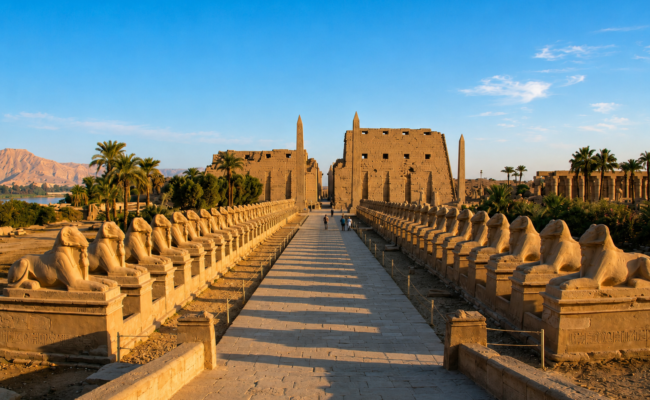
Make one day in Luxor work by choosing a balanced East and West Bank route, with flexible options for pace, heat, transport, and deeper interests.

Plan a Valley of the Kings visit around current tomb access, ticket choices, heat, walking, photography rules, and realistic guide expectations.
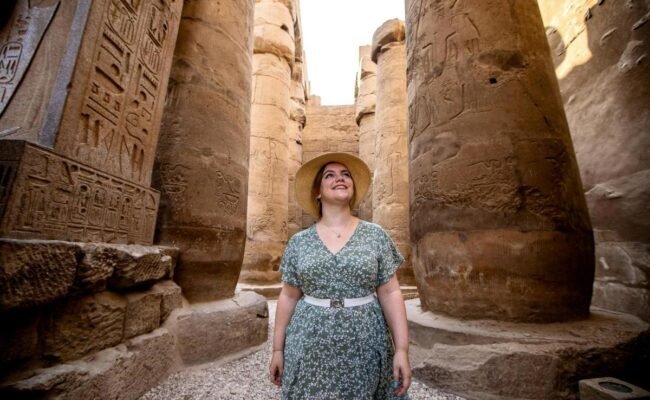
Orient your first Luxor visit across the East and West Banks, with guidance on trip length, transport, pacing, sunrise activities, and Nile connections.

Understand Luxor balloon pickup, weather dependency, clothing, accessibility, operator questions, and cancellation terms before reserving a flight.

Plan Karnak and Luxor Temple as a connected East Bank experience, with realistic pacing, timing choices, guide questions, and mobility considerations.



