First-Time Aswan Guide: Temples, Nile Islands, and Nubian Culture
Plan a first Aswan stay around Philae, Nile experiences, Nubian culture, city sights, Abu Simbel choices, and cruise or transfer connections.



An ethical Nubian village tour treats the destination as a living community, not a colourful backdrop. Choose an experience with clear local participation, fair benefit, consent-based photography, and transparent activities. Ask who hosts the visit, where the fee goes, and whether any home, meal, performance, shop, or animal encounter is optional.
The clearest signal is that Nubian people shape how their community and culture are presented. Ask the operator to name the local host or partner and explain their role. A vague claim that a tour “supports locals” is not enough; the booking should identify which services are locally provided and paid.
Communities are diverse. No single village, household, guide, or performance represents all Nubian experience. Good interpretation acknowledges variation and avoids presenting contemporary people as unchanged relics of the past.
Ask before photographing an identifiable person, especially a child or someone inside a home or workplace. A guide’s broad permission does not replace individual consent. Accept “no” without persuasion, and do not turn private interiors into staged sets. If someone offers a portrait as a paid service, agree on the arrangement clearly beforehand.
Landscape and architecture also deserve care: do not block a doorway, enter a courtyard, or move objects for a composition without the host’s invitation.
Some itineraries may include captive animals, animal handling, or rides. Ask in advance and choose an alternative if the practice concerns you. Do not handle an animal simply because it is offered, and do not accept claims that participation is culturally required. Observe the animal’s condition, space, access to water or shade, handling, and ability to withdraw.
A responsible operator should respect a request for a visit with no animal interaction and should not substitute another unapproved encounter.
Hospitality can create a meaningful exchange when it is genuinely hosted and properly compensated. Ask what the visit includes, how many guests may arrive, and whether the household has agreed to dietary needs or timings. Follow cues about footwear, seating, private rooms, and photography. A home visit is not permission to inspect every space.
A local host and an Egyptologist guide may contribute different knowledge. Clarify who interprets contemporary culture, who provides historical context, and which languages are spoken. Avoid a format where an outside guide speaks over the host or reduces complex identity to a short script.
Listen for how the experience handles uncertainty and difference. A host should be free to describe personal and community perspectives without being pressed to perform a single approved story for every visitor.
Confirm the boat type, private or shared basis, crew, safety equipment, route, mooring, and accessibility. Wind, river operations, and landing conditions can affect the trip. A felucca and motorboat provide different experiences, so the vessel should not be left as a surprise.
The Aswan felucca and Nubian Village experience pairs sailing with a hosted visit, subject to written confirmation of the host, meal, mooring, and exact service.
| Red flag | Why it matters |
|---|---|
| Guaranteed “authenticity” with no named host | It centres marketing rather than community agency. |
| Children photographed or approached as attractions | Consent and safeguarding are unclear. |
| Mandatory shop or animal stop | The visitor and community have limited choice. |
| Stereotypes used as cultural explanation | Living identities are flattened into a performance. |
Read the first-time Aswan guide to balance monuments, river time, and culture. If you are also planning Abu Simbel, keep that separate using the road-versus-flight guide. General conduct and dress guidance belongs in the Egypt travel etiquette guide.
Browse Aswan tours, then ask the ethical questions before paying. Respect is not an optional extra added on the day; it is part of how the experience is designed, sold, and shared.
A curated list of the most popular travel packages based on different destinations.

Plan a first Aswan stay around Philae, Nile experiences, Nubian culture, city sights, Abu Simbel choices, and cruise or transfer connections.
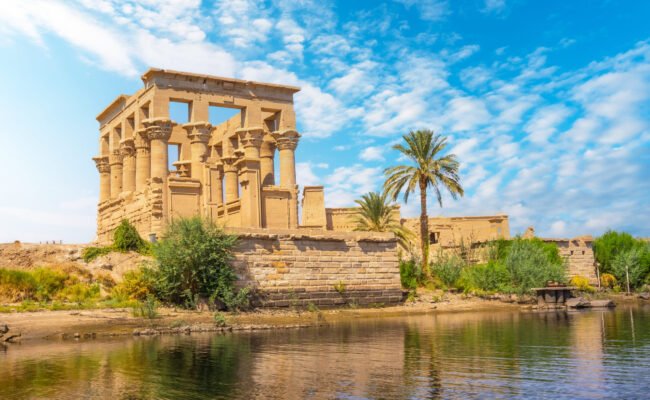
Plan a Philae Temple visit from road pickup to boat transfer, with clear questions about tickets, guiding, mobility, etiquette, and return arrangements.

Organise one day in Aswan around Philae, the High Dam, and the Unfinished Obelisk, with shorter alternatives and onward-cruise planning.
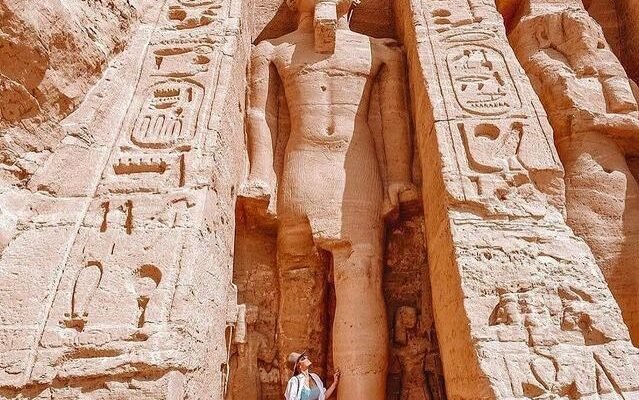
Compare road and flight options from Aswan to Abu Simbel by schedule, comfort, cost factors, disruption risk, and the time available at the temples.



