First-Time Aswan Guide: Temples, Nile Islands, and Nubian Culture
Plan a first Aswan stay around Philae, Nile experiences, Nubian culture, city sights, Abu Simbel choices, and cruise or transfer connections.



Visiting Philae Temple involves two linked journeys: a road transfer to the boat departure area and a boat crossing to the island. Confirm who arranges each stage, which tickets and boat costs are included, and where your guide joins you. Once on the island, allow enough time to understand the temple’s changing history and relocation rather than treating the crossing as the main event.
Boat operations, prices, landing arrangements, and access can change. A clear booking names the responsible operator rather than leaving travellers to negotiate an unclear handover.
Philae’s modern setting is connected with the international relocation of monuments affected by changing Nile waters. The site’s buildings also reflect multiple periods of religious and political use. A good guide will distinguish original historical context, later additions, and the modern relocation story without collapsing them into one date.
Before the visit, ask for a short orientation map. It helps make sense of the main approach, courts, sanctuaries, smaller structures, and shoreline relationship.
The temple time is only part of the outing. Security, ticketing, boat boarding, crossings, walking, and return transport all count. Travellers who enjoy architecture or photography need more island time than a highlights group. Families and visitors with mobility needs may need more time for boarding and uneven surfaces.
If Philae is one part of a city circuit, compare the one-day Aswan itinerary before adding further stops.
Conditions depend on the actual boat and route. “Accessible” should never be accepted without those details.
Follow signs and staff instructions, do not touch reliefs or climb structures, and keep food and waste away from monument areas. Check current rules for photography, video, flash, tripods, and professional equipment. Ask before photographing workers, guides, boat crews, or other visitors.
Keep voices and movement considerate when a group is listening in a narrow space. If an area is closed for conservation, do not cross a barrier for a better view.
Daytime and any separately operated evening experience have different tickets, transport, lighting, and accessibility implications. Do not assume admission to one includes the other. Verify whether an evening programme operates on your date, in which language, and how the return boat and vehicle are arranged.
Independent visitors should research the current official ticket and boat process carefully. A guide can make the layered building history legible and manage the transitions, but service scope still needs to be written. Ask whether the guide travels from the hotel, meets at the dock, handles boat negotiation, and remains until the return vehicle.
The private Philae, High Dam and Unfinished Obelisk tour offers a classic combined framework, subject to confirmed boat and admission details. For a broader stay, read the first-time Aswan guide. A respectful cultural extension should follow the questions in the ethical Nubian village guide rather than being added as an unexamined stop.
A good Philae visit feels seamless because its road, ticket, boat, guiding, and return stages are explicit. Browse Aswan day tours, then request the exact inclusion list and current access plan. The island deserves attention after the logistics are solved, not less attention because they were ignored.
A curated list of the most popular travel packages based on different destinations.

Plan a first Aswan stay around Philae, Nile experiences, Nubian culture, city sights, Abu Simbel choices, and cruise or transfer connections.
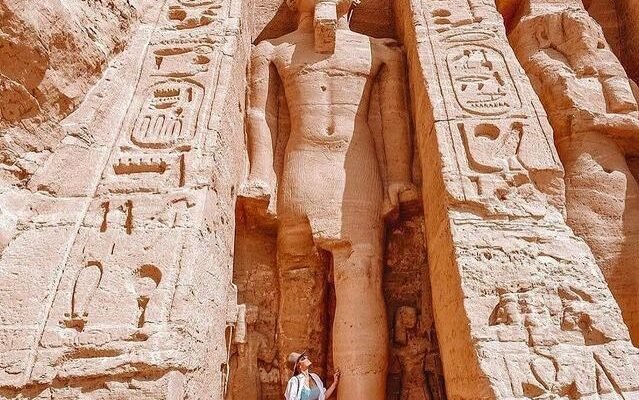
Compare road and flight options from Aswan to Abu Simbel by schedule, comfort, cost factors, disruption risk, and the time available at the temples.

Organise one day in Aswan around Philae, the High Dam, and the Unfinished Obelisk, with shorter alternatives and onward-cruise planning.
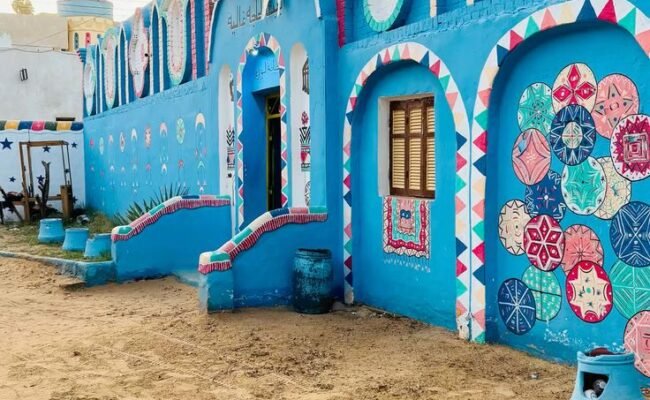
Choose a respectful Nubian village experience by asking about local leadership, community benefit, consent, photography, animal welfare, and honest itineraries.



