Four-Night Nile Cruise from Luxor to Aswan: Route Planning Guide
Plan a four-night Luxor-to-Aswan Nile cruise with realistic arrival margins, route expectations, cabin checks and onward connections.



Choose a conventional Nile cruise for a wider range of dates, facilities and cabin types; choose a dahabiya for a smaller-group, slower sailing style when its route, comfort level and access arrangements suit you.
Both formats can connect the archaeology and landscapes of Upper Egypt, but they create different days on the water. The decision is less about which one is more authentic and more about scale, pace, facilities and what the operator actually includes.
Before comparing individual names, browse the main Nile cruise hub and the dedicated Dahabiya collection. Inventory must be verified: a beautiful vessel description does not prove that your dates, route or preferred cabin are available.
A conventional cruise ship carries more guests and typically offers hotel-like infrastructure: a reception area, restaurant, lounge, sun deck and a larger crew. Facilities vary significantly, so labels such as five-star should never replace a current cabin specification and recent vessel information.
A dahabiya is a smaller sailing vessel, commonly promoted for a quieter atmosphere and more flexible-feeling journey. Sailing still depends on wind, river conditions and support arrangements; some itineraries may use a tug when needed. Ask directly how the vessel operates rather than assuming every hour will be under sail.
Larger ships generally follow established docking and sightseeing patterns. That predictability can make connections easier, but several vessels may reach the same site within a similar window. The ship’s guide structure and group size influence how the day feels.
Dahabiyas may use quieter moorings and sometimes include village walks or smaller sites, but no stop should be assumed from the vessel type alone. Read the named itinerary. Community visits should explain photography consent, local hosting and how the visit benefits residents rather than using vague cultural promises.
A larger vessel can offer lifts, more public space or broader meal choices, yet these features are not universal and a lift may not reach every deck. A small vessel may feel personal but can involve narrow stairs, gangplanks or uneven riverbank landings. Travellers with mobility, vision, hearing or stamina considerations should request measurements and boarding details.
Cabin size, window type, climate control, bedding and engine position deserve the same scrutiny in both formats. Use our cabin selection guide to turn general descriptions into precise questions.
A dahabiya’s smaller guest list often means repeated contact with the same travellers and crew. That can be convivial, but it is not the same as a private charter. Confirm whether you are booking one cabin on a shared departure or the entire vessel.
On larger ships, sightseeing may be arranged in groups associated with a tour operator, language or booking. Ask for the expected guide and vehicle format. If private guiding matters, get it listed as an inclusion rather than assuming a private booking platform means private shore visits.
Dahabiya pricing often reflects limited cabin numbers, crew-to-guest ratios, longer itineraries and the possibility of a charter. Conventional ships benefit from greater capacity but range from straightforward to genuinely premium. Season, cabin category, occupancy and included touring can change either price.
Compare like with like using the Nile cruise inclusions checklist. A quote that includes guiding, entrance fees and transfers is not equivalent to room and meals alone.
The detailed Dahabiya guide covers the small-vessel questions in greater depth, while the general cruise guide helps compare named ships.
No. Many departures sell individual cabins, while others are private charters. The booking basis should be stated clearly.
Some programmes use different moorings or smaller stops, but this varies. Only the confirmed itinerary can establish what your sailing includes.
Neither format is automatically accessible. Ask for step counts, gangway details, cabin and bathroom measurements, and arrangements at each landing.
Decide which atmosphere appeals, then test the actual vessel against your practical needs. A named itinerary, cabin plan and written list of inclusions are more useful than a broad label.
A curated list of the most popular travel packages based on different destinations.

Plan a four-night Luxor-to-Aswan Nile cruise with realistic arrival margins, route expectations, cabin checks and onward connections.

Use this practical checklist to compare Nile cruise accommodation, meals, sightseeing, guides, transfers, fees and optional costs.
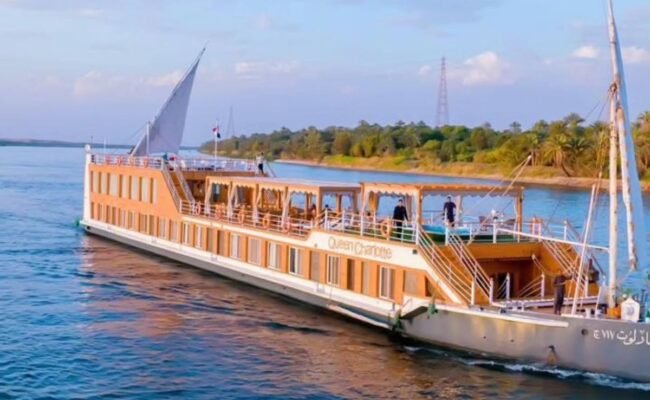
A practical Dahabiya guide covering small-vessel pace, shared versus private sailings, cabins, moorings, access and booking questions.

Choose a Nile cruise by verifying the named vessel, sailing direction, cabin position, board basis, guiding model, inclusions, and operating dates.
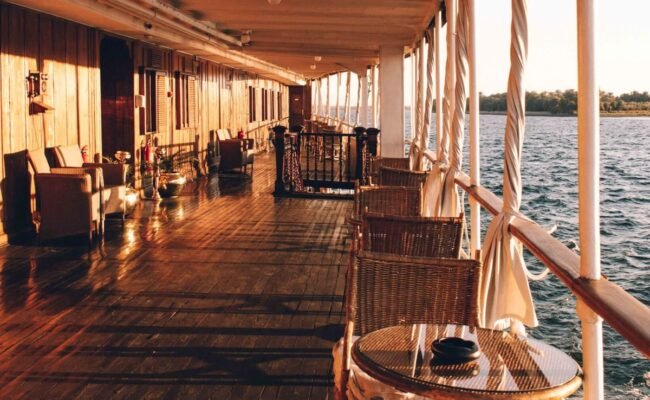
Choose a Nile cruise cabin with confidence by checking deck position, window type, engine noise, bedding, climate control and access.

Compare Nile cruise directions by trip length, sightseeing rhythm, arrival plans and onward travel before choosing your route.
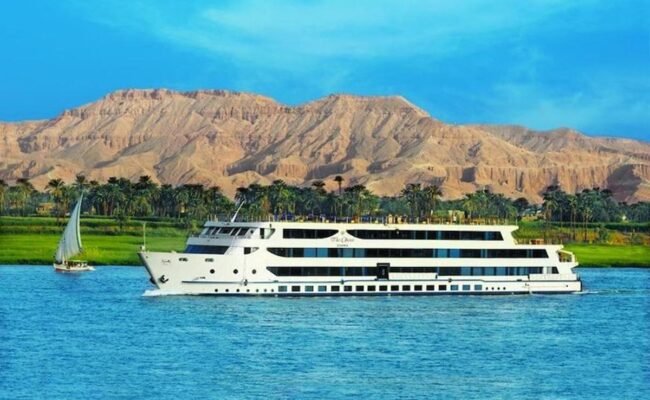
Understand the pace of a three-night Aswan-to-Luxor Nile cruise, including arrival planning, common stops and the Luxor finish.



