Nile Cruise or Dahabiya: Which Experience Is Right for You?
Compare a conventional Nile cruise with a dahabiya by pace, vessel size, comfort, mooring style, accessibility and cost drivers.



Neither direction is universally better: the right choice depends on your available nights, flight or train connections, and whether you prefer a slower start in Luxor or a more compact journey beginning in Aswan.
Most classic cruises cover a similar Upper Egypt corridor, but the experience is not simply the same itinerary played backwards. The common Luxor-origin pattern uses four nights, while many Aswan-origin sailings use three. Embarkation, temple visits, sailing windows and meal arrangements can therefore fall on different days.
Start with the Nile cruise collection if you are still comparing vessels. If direction is the main decision, use the route pages for cruises from Luxor to Aswan and cruises from Aswan to Luxor to compare only compatible options.
A Luxor departure normally gives more time to absorb the East and West Banks before the ship moves south. That can suit a first visit, especially when Luxor is already part of your land itinerary. An Aswan departure is often shorter and may feel more concentrated, which can work well after time in Cairo or Abu Simbel. These are common patterns, not promises for every ship.
Cruise schedules are shaped by docking availability, navigation conditions and the operator’s programme. Two ships with the same direction can arrange their visits differently. Judge the actual written itinerary, not the route label alone.
Luxor contains several large archaeological areas, so a Luxor-origin itinerary may begin with a full programme before the relaxed sailing portion becomes obvious. Travellers arriving on a long overnight journey should ask whether early sightseeing begins before cabin access.
An Aswan start can feel gentler if the first programme centres on the city and Philae, but early road excursions or embarkation rules may still create a busy day. In either direction, Edfu and Kom Ombo visits depend on the ship’s progress and local arrangements. Avoid building a non-refundable connection around an approximate arrival time.
Work backwards from the flights, trains or private transfers you can sensibly use. If Cairo comes first, you might travel to Luxor and sail south, then depart from Aswan. If Abu Simbel is a priority, arriving in Aswan first can create a logical sequence before sailing north.
Leave margin on both ends. A cruise described as five days does not necessarily mean five full sightseeing days, and embarkation or disembarkation times are not universal. Our guide to Cairo, Luxor and Aswan transport choices helps compare the connecting legs without treating a timetable as permanent.
Ask for the exact ship, route, number of nights and dated programme. Then confirm what happens on the first and last days. A low headline price can be hard to compare if one offer excludes transfers, guiding or entrance fees that another includes.
Cabin location, vessel upkeep, meal basis and guide format often affect the trip more than whether you travel north or south. Use the Nile cruise cabin guide and the broader cruise selection checklist before committing. A suitable cabin on a well-matched vessel is usually a better decision than forcing a direction that creates poor connections.
It is a common commercial pattern, but not a universal rule. Confirm the dated itinerary and count nights rather than relying only on the number of calendar days.
Many core stops overlap, but the order, time available and optional visits can differ by ship and sailing date.
Aswan is the gateway, but either direction can work if you leave adequate time before or after the cruise. Confirm road or flight arrangements separately.
Shortlist the direction that fits your connections, then compare the real vessel and written inclusions. The detailed four-night Luxor route guide and three-night Aswan route guide help with the final decision.
A curated list of the most popular travel packages based on different destinations.

Compare a conventional Nile cruise with a dahabiya by pace, vessel size, comfort, mooring style, accessibility and cost drivers.
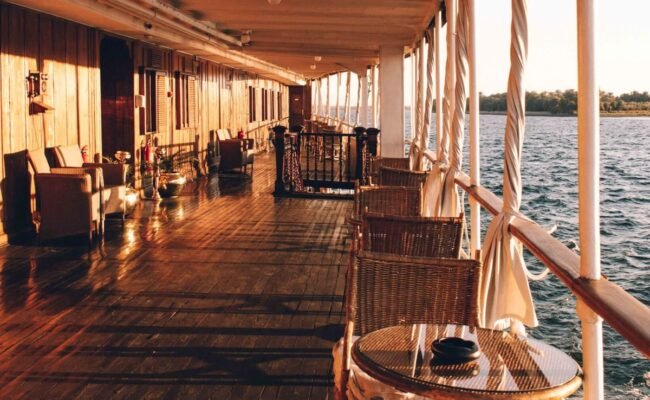
Choose a Nile cruise cabin with confidence by checking deck position, window type, engine noise, bedding, climate control and access.

Use this practical checklist to compare Nile cruise accommodation, meals, sightseeing, guides, transfers, fees and optional costs.

Choose a Nile cruise by verifying the named vessel, sailing direction, cabin position, board basis, guiding model, inclusions, and operating dates.

Plan a four-night Luxor-to-Aswan Nile cruise with realistic arrival margins, route expectations, cabin checks and onward connections.

Understand the pace of a three-night Aswan-to-Luxor Nile cruise, including arrival planning, common stops and the Luxor finish.
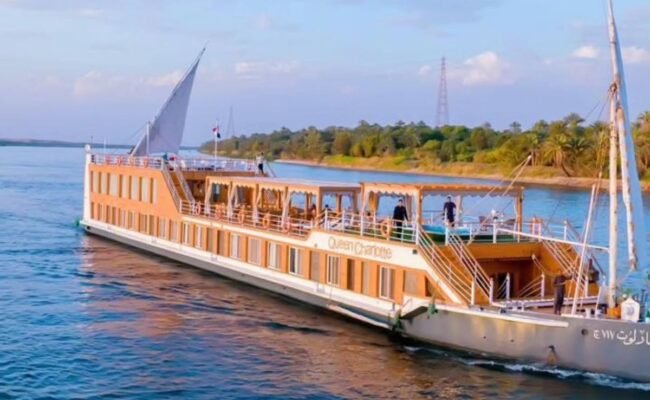
A practical Dahabiya guide covering small-vessel pace, shared versus private sailings, cabins, moorings, access and booking questions.



