Visiting the Giza Pyramids: A Practical First-Timer’s Guide
Prepare for a first visit to the Giza Pyramids with practical guidance on site layout, tickets, walking, transport, etiquette, and guide choices.



Choose between the Egyptian Museum and the Grand Egyptian Museum according to location, available time, and the kind of museum visit you enjoy. The Egyptian Museum in central Cairo offers a historic museum setting and a dense encounter with Egyptian collections. The Grand Egyptian Museum near the Giza Plateau is conceived on a much larger scale with modern visitor infrastructure. Current galleries, object locations, tickets, and operating arrangements must be checked before travel.
| Question | Egyptian Museum | Grand Egyptian Museum |
|---|---|---|
| Where does it fit? | Central Cairo routes and nearby city experiences | Giza-side routes and a day organised around the plateau |
| What is the feel? | Historic, collection-dense museum environment | Large, contemporary museum campus and displays |
| How much time? | Can be selective, though the collection rewards focus | Scale may demand a longer, more planned visit |
| What must be verified? | Open rooms, object locations, tickets, and visitor rules | Operating status, accessible galleries, tickets, and timed-entry rules |
This comparison is about planning character, not a promise that a particular object or gallery will be available. Collections and displays can move.
The museum’s Tahrir location can fit naturally with a day based in central Cairo. Its historic building and dense cases are part of the experience. Travellers who enjoy older museum environments and close visual comparison may find it rewarding, especially with a guide who can create a route through a very large body of material.
The risk is visual overload. Instead of attempting every room, choose a theme: royal sculpture, daily life, funerary practice, writing, or the development of artistic styles. Ask your guide what remains on display at the time of your visit.
The Grand Egyptian Museum’s location near Giza makes it a logical pairing with the plateau when live hours and tickets allow. Its architecture, visitor flow, and exhibition approach are designed for a different scale from the historic downtown museum. That scale can be a strength, but it also makes prioritisation important.
Before booking, check the official source for opening status, available galleries, entry slots, prohibited items, and transport access. Do not infer full access from an old preview, partial-opening report, or third-party listing.
High-profile collections are sometimes reorganised, conserved, loaned, or moved. A list published months earlier may be wrong on the day you visit. If one object is essential to you, check its current location through the museum and still plan for the possibility of conservation or temporary closure.
A broader theme is more resilient. Both museums can help explain how objects relate to temples, tombs, administration, belief, and everyday life—the settings you encounter elsewhere in Egypt.
A museum and Giza can form a strong day if you accept a selective pace. Begin with the part you care about most, protect the ticketed entry time, and allow for travel and security. The private Grand Egyptian Museum, Giza Pyramids and Sphinx tour shows one combined structure, but exact admissions and operating details must be confirmed.
If you want a deeper pyramid visit, keep the museum separate and use the Giza Pyramids planning guide. Trying to cover two museums and the plateau in one day is unlikely to serve any of them well.
A guide can select objects that support a coherent story, translate technical labels into context, and relate museum material to places on your itinerary. Tell the guide your existing knowledge and interests; a first-time overview should feel different from a specialist art-history visit. Read how to choose an Egyptologist guide before requesting a museum specialist.
If you have two Cairo days, the Cairo itinerary guide separates Giza and historic areas while leaving room for one thoughtful museum visit. Browse Cairo tours once you know which side of the city and which collection experience fit your plan.
There is no need to declare a universal winner. Choose the museum that complements your route, then arrive with two or three questions you want the collection to answer.
A curated list of the most popular travel packages based on different destinations.

Prepare for a first visit to the Giza Pyramids with practical guidance on site layout, tickets, walking, transport, etiquette, and guide choices.
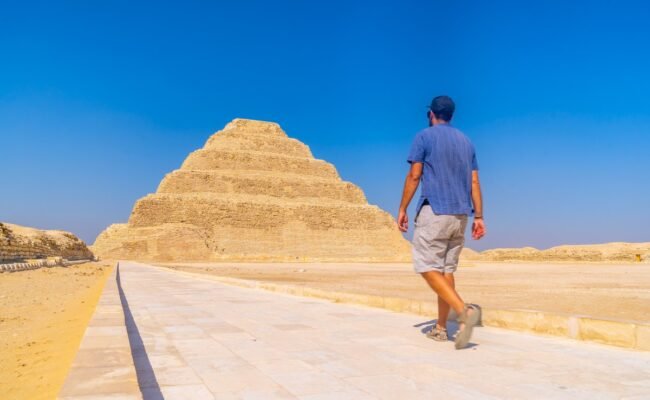
Plan two days in Cairo by grouping Giza and a major museum on one day, then exploring historic neighbourhoods at a realistic pace on the other.

Explore Islamic Cairo at a human pace with a neighbourhood-led route, thoughtful mosque etiquette, photography guidance, and realistic walking plans.

Learn how to combine Giza and Saqqara in one day with a logical route, realistic pace, clear guide and driver roles, and optional Dahshur choices.
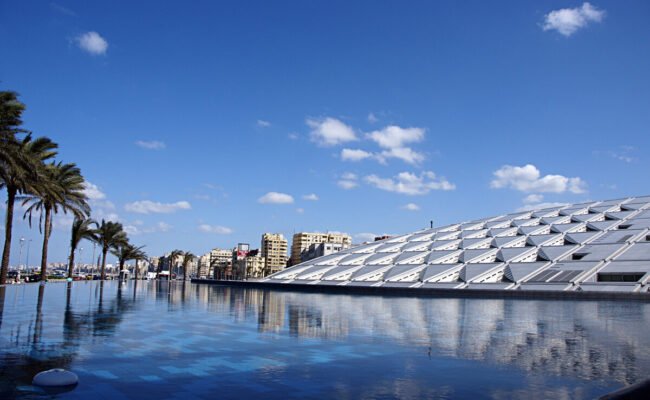
Decide whether a Cairo-to-Alexandria day trip suits you by weighing road time, priority sights, pace, and the benefits of staying overnight.



