Cairo Itinerary: How to Organise Two Days in the Capital
Plan two days in Cairo by grouping Giza and a major museum on one day, then exploring historic neighbourhoods at a realistic pace on the other.



An Islamic Cairo walking route is best built around one connected neighbourhood and a few meaningful interiors. Historic streets, working mosques, monuments, workshops, markets, and everyday city life overlap here; the area is not an open-air museum. Dress respectfully, ask before photographing people, and check current access to every religious or historic building on your route.
The broad label “Islamic Cairo” covers a large and layered part of the city. A first walk might focus on a major historic street and its surrounding lanes, tracing changes in architecture and urban life. Another could link gates, walls, and viewpoints. A craft-focused route will move and pause differently from one centred on mosques and religious foundations.
Ask your guide to name the start and finish points, the approximate walking conditions, and two or three anchor visits. If a proposed tour jumps between distant districts, find out which sections involve a vehicle and which are genuinely walked.
This structure is more resilient than a strict checklist because worship access, restoration, local events, and opening arrangements can change.
Active mosques are places of worship first. Follow posted instructions and the guidance of staff. Clothing should cover shoulders and knees at minimum, with looser and more extensive coverage often the more considerate choice. Some spaces may ask women to cover their hair; carry a light scarf and comply with the local instruction rather than assuming one rule applies everywhere.
Remove footwear where required and place it where directed. Keep voices low, silence phones, avoid walking in front of someone praying, and do not enter an area marked as restricted. Access during prayer, services, or religious occasions may be limited. A tour booking cannot guarantee entry.
Even when building photography is allowed, people deserve a separate choice. Ask before photographing worshippers, shopkeepers, craftspeople, children, or residents. A gesture from a guide cannot replace the subject’s consent. Avoid blocking lanes or doorways for a shot, and never fly a drone without the current permits and explicit location approval.
Camera, tripod, video, and commercial-shoot rules may differ. Check current official or on-site guidance before unpacking equipment.
Do not accept a blanket claim that a historic route is step-free. Accessibility has to be assessed doorway by doorway and street by street.
Browsing can be part of the experience, but a commercial stop should be optional. Ask whether the itinerary includes shops and whether the guide receives any benefit from purchases. Decide your budget beforehand, ask the price and currency clearly, and decline politely when you are not interested. Bargaining practices vary by setting; respect a fixed-price sign.
A guide can explain which buildings remain active, connect inscriptions and architectural features to patronage and neighbourhood history, and adjust the route around live conditions. They can also help distinguish respectful curiosity from intrusion. Use the Egyptologist guide checklist to discuss interests and service scope before booking.
The private Islamic and Coptic Cairo heritage tour links two important strands of the city’s history, while the Cairo tours hub offers alternatives for a more narrowly focused day.
Use the two-day Cairo itinerary to keep historic districts separate from a substantial Giza visit. If a museum is also a priority, compare the two major museum experiences rather than adding both without time to engage.
A successful walk is not measured by the number of doorways crossed. It should help you read the city more closely while respecting the people who live, work, and worship along the route.
A curated list of the most popular travel packages based on different destinations.
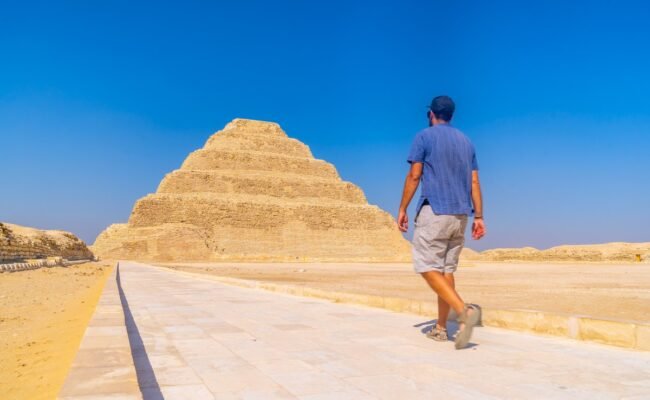
Plan two days in Cairo by grouping Giza and a major museum on one day, then exploring historic neighbourhoods at a realistic pace on the other.

Prepare for a first visit to the Giza Pyramids with practical guidance on site layout, tickets, walking, transport, etiquette, and guide choices.

Compare Cairo’s Egyptian Museum and Grand Egyptian Museum by location, scale, collection experience, time needs, and how each fits a wider route.

Learn how to combine Giza and Saqqara in one day with a logical route, realistic pace, clear guide and driver roles, and optional Dahshur choices.
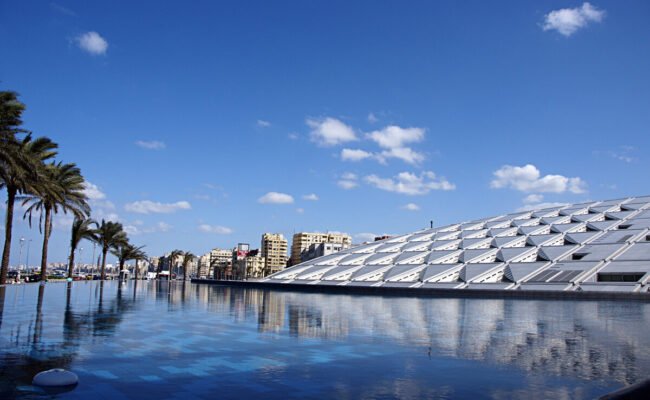
Decide whether a Cairo-to-Alexandria day trip suits you by weighing road time, priority sights, pace, and the benefits of staying overnight.



