Cairo Itinerary: How to Organise Two Days in the Capital
Plan two days in Cairo by grouping Giza and a major museum on one day, then exploring historic neighbourhoods at a realistic pace on the other.



Visiting the Giza Pyramids is more satisfying when you treat the plateau as a large archaeological landscape rather than a single viewpoint. Decide whether you want exteriors only or a permitted interior, plan how you will move between zones, and allow time for the Sphinx complex. Confirm current tickets, entry gates, opening information, and photography rules through official sources before you go.
The plateau contains the three principal pyramid complexes, associated structures, broad viewpoints, and the Sphinx area. Distances, slopes, sun exposure, and vehicle circulation make it difficult to improvise efficiently. A visit can be short and selective or several hours long, depending on walking pace, crowds, interior choices, and how deeply you engage with the archaeology.
Ask your guide or driver which gate is appropriate for your ticket and route. Entry and circulation arrangements can change, so instructions from an old travel post may no longer apply.
Official ticket structures may separate general access from particular interiors or special areas. An interior is a physical experience as much as a historical one: passages can be confined, steep, warm, or uncomfortable for some visitors. It may not be suitable for travellers with claustrophobia, certain health conditions, or limited mobility.
Do not buy every option automatically. Ask what the interior adds, how long it may take, and whether that time is more valuable to you than a wider exterior route. Confirm live prices and availability directly; this guide deliberately avoids amounts that could become outdated.
A private vehicle can reduce long exposed walks and connect major points, but it does not eliminate uneven surfaces or all walking. Clarify whether your vehicle remains with you, where it can stop, and how you will rejoin it. Independent visitors should research the current official transport and gate arrangements before arrival.
If you want the logistics coordinated, the private Giza Pyramids and Sphinx tour offers a focused alternative to combining Giza with a museum or distant site.
Keep bags manageable and do not rely on finding shade exactly when you need it. Travellers with medication or heat sensitivity should discuss the plan with an appropriate professional and their operator.
A guide can connect architecture, landscape, and ritual in ways that are easy to miss. Confirm the guide’s role and fees in advance. If someone offers an extra service on site, ask the full price and scope before accepting, and decline clearly if you are not interested.
Animal rides raise questions about handling, route, duration, and welfare. Participation is optional. If you consider one, observe the animal’s condition, ask how it is handled, and walk away if anything concerns you. Never accept a claim that a ride or purchase is required for entry.
Rules can differ between outdoor areas and interiors and may change. Follow posted instructions and staff directions, and check whether tripods, video, drones, or professional equipment need separate permission. Ask before photographing staff, workers, vendors, or other visitors. Do not climb monuments or cross barriers for a photograph.
Some exterior viewpoints may be reachable by vehicle, but paths, curbs, sand, gradients, and facilities vary. Request precise information for the gate, vehicle, viewpoint, and restroom you expect to use. A companion or private plan may help, but it cannot make every part of the archaeological site step-free.
Add Saqqara when you want a broader story of pyramid development and are comfortable with a longer day. Read the Giza and Saqqara route guide before committing. Add a museum when seeing objects and contextual displays matters as much as the landscape, but choose the museum only after checking its current galleries and access.
For a city-wide plan, the two-day Cairo itinerary keeps Giza substantial instead of squeezing it between unrelated stops. The Cairo tours hub lets you compare the focused and combined options.
Give yourself time to see how the monuments relate to the plateau, the river valley, and one another. A smaller route with good explanation and comfortable pacing is more memorable than a hurried circuit built around every possible ticket.
A curated list of the most popular travel packages based on different destinations.
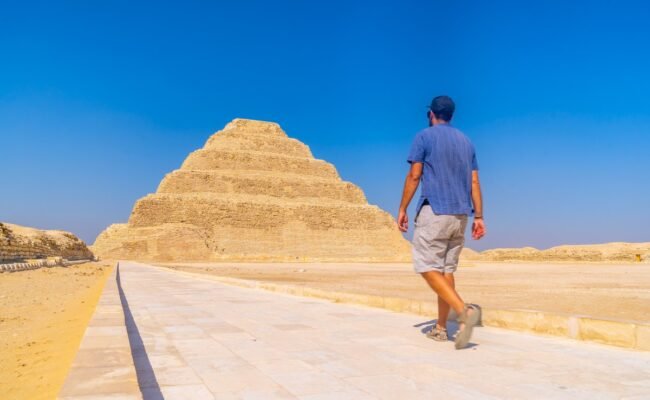
Plan two days in Cairo by grouping Giza and a major museum on one day, then exploring historic neighbourhoods at a realistic pace on the other.

Explore Islamic Cairo at a human pace with a neighbourhood-led route, thoughtful mosque etiquette, photography guidance, and realistic walking plans.

Compare Cairo’s Egyptian Museum and Grand Egyptian Museum by location, scale, collection experience, time needs, and how each fits a wider route.
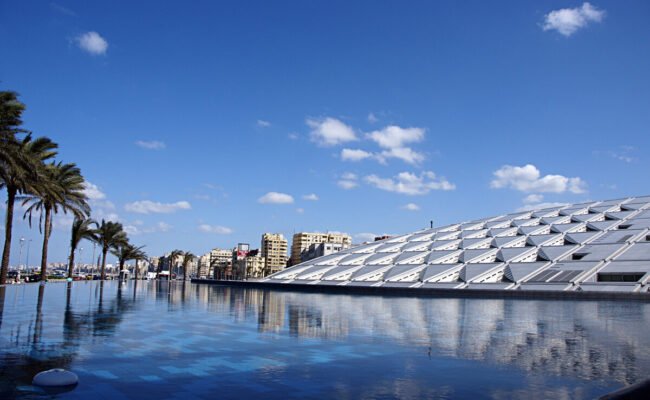
Decide whether a Cairo-to-Alexandria day trip suits you by weighing road time, priority sights, pace, and the benefits of staying overnight.

Learn how to combine Giza and Saqqara in one day with a logical route, realistic pace, clear guide and driver roles, and optional Dahshur choices.



