Islamic Cairo Walking Guide: Mosques, Streets, and Local Etiquette
Explore Islamic Cairo at a human pace with a neighbourhood-led route, thoughtful mosque etiquette, photography guidance, and realistic walking plans.



A Giza Pyramids and Saqqara day trip works best as a focused archaeological journey, not a race through every monument. The two areas tell different parts of pyramid history and require road travel between them. Start with the site most important to you, agree on a short list of priorities, and keep optional additions conditional on time and energy.
Giza offers the monumental plateau most first-time visitors recognise: the major pyramids, broad viewpoints, and the Sphinx complex. Saqqara is a much larger archaeological landscape with the Step Pyramid complex and evidence from many periods. Together, they show development rather than two versions of the same stop.
Dahshur can add another chapter, including pyramid forms that sit between earlier experimentation and Giza’s famous monuments. It also extends the road route and walking day, so it should be a deliberate choice rather than an automatic inclusion.
There is no universally correct sequence. Beginning at Giza can put the best-known site first while your attention is fresh. Beginning farther south can create a chronological story and return toward Cairo later. Hotel location, live ticket arrangements, road conditions, weather, and any time-specific entry can change the sensible order.
Ask your operator to explain the proposed sequence and its fallback. A promise of exact drive times is not credible in a major urban region; a good plan uses ranges and protects the highest-priority visit.
This is a route framework, not an operating schedule. Official hours, ticket categories, and access must be checked for the travel date.
A qualified guide provides historical interpretation and helps structure the visit. A driver manages the road journey and vehicle but may not be authorised or prepared to guide inside sites. On a private day, clarify whether the guide travels in the vehicle throughout, where they meet you, and whether they can accompany you into every selected area.
At sprawling sites, transport within or between zones may affect the experience. Ask whether the vehicle remains available and whether any local transport is separate. The broader checklist on choosing an Egyptologist guide helps verify the service.
Base admission does not always mean access to every interior, tomb, exhibition, or special area. Ticket structures and open monuments can change. Tell your operator which interior experiences matter and request the current official options. Do not let an unplanned shopping stop replace paid sightseeing time; any craft or retail visit should be optional and transparent.
Conditions differ across individual monuments. Ask for specific answers rather than accepting a generic “accessible” label.
Choose Giza alone if this is your first day after a long flight, you want time for photography or interiors, or anyone in the group needs a slower pace. The Giza visitor guide helps plan that focused option. Choose Giza and Saqqara without Dahshur if you want historical range while keeping the day manageable.
If the combined route is right for you, review the private Giza, Saqqara and Dahshur tour and confirm which sites and admissions are included. More Cairo day tours are available for travellers who prefer to split the areas across separate days.
A strong day leaves you understanding how royal building, engineering, and funerary landscapes evolved—not merely collecting three place names. Protect time for questions, look closely at selected details, and let the guide adjust the depth without quietly changing the promised route. Use the two-day Cairo itinerary to place this archaeological day within a balanced city stay.
A curated list of the most popular travel packages based on different destinations.

Explore Islamic Cairo at a human pace with a neighbourhood-led route, thoughtful mosque etiquette, photography guidance, and realistic walking plans.
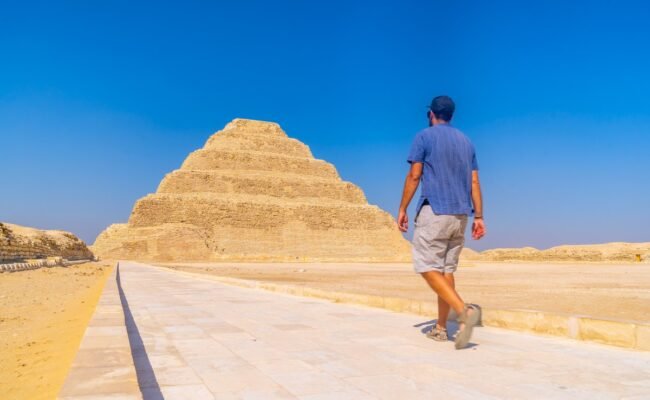
Plan two days in Cairo by grouping Giza and a major museum on one day, then exploring historic neighbourhoods at a realistic pace on the other.

Prepare for a first visit to the Giza Pyramids with practical guidance on site layout, tickets, walking, transport, etiquette, and guide choices.

Compare Cairo’s Egyptian Museum and Grand Egyptian Museum by location, scale, collection experience, time needs, and how each fits a wider route.
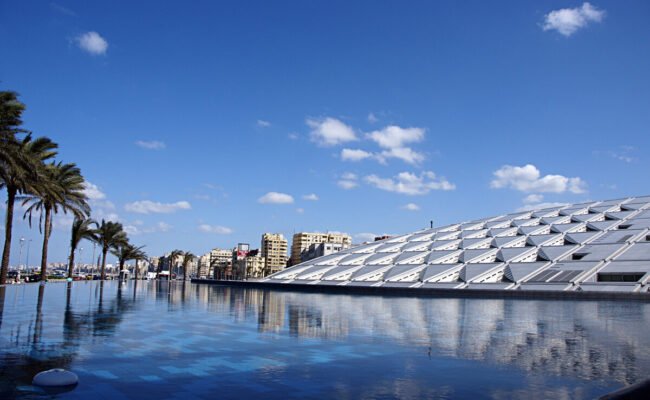
Decide whether a Cairo-to-Alexandria day trip suits you by weighing road time, priority sights, pace, and the benefits of staying overnight.



