Nile Cruise or Dahabiya: Which Experience Is Right for You?
Compare a conventional Nile cruise with a dahabiya by pace, vessel size, comfort, mooring style, accessibility and cost drivers.



A four-night Luxor-to-Aswan cruise usually combines Luxor’s East and West Banks with sailing stops around Edfu and Kom Ombo before Aswan, but the visit order and timing must be confirmed for your ship and date.
This route is often sold as five days and four nights. Calendar-day language can make it sound longer than the usable time: day one may include embarkation and sightseeing, while day five may end after breakfast or a morning visit. Count nights, meals and confirmed visits.
Compare compatible departures on the Luxor-to-Aswan cruise hub. If you have not yet chosen a direction, read the two-direction comparison first.
A common programme begins with Luxor sightseeing and embarkation, continues south through the Esna area, and includes visits associated with Edfu and Kom Ombo before reaching Aswan. The Aswan programme may include Philae and other city highlights, depending on the package.
This is a planning outline, not a vessel-specific itinerary. Navigation, docking and temple access can change the sequence. Some visits may happen early, after dark or in a shared group. Ask for a dated day-by-day schedule from the operator.
Do not assume you can land at the scheduled embarkation time and go straight to the ship. Baggage, transfers and possible sightseeing all take time. An overnight in Luxor before sailing gives resilience and creates space for visits that are not included in the cruise.
Travellers already staying locally can use the Luxor tours hub to plan additional time. The private Luxor airport transfer is an approved option when its operating details suit the booking.
Several vessels may follow a similar corridor but differ in cabin size, window type, atmosphere, dining and accessibility. Ask for the operating ship, current deck plan and cabin allocation. If the contract allows substitution, find out what counts as an equivalent vessel.
The Nile cruise cabin guide explains how deck and machinery location can affect comfort. Confirm bedding and bathroom access before treating an upgrade label as meaningful.
Clarify meals on embarkation and disembarkation days, the guide format, site admissions, transfers and optional tours. Abu Simbel is not automatically part of a classic Nile cruise and requires separate time and transport if chosen.
Use the complete inclusions checklist to compare offers on the same basis. Ask whether the quoted amount is per person sharing, per cabin or another basis, and whether taxes or service fees remain.
Your onward choice might be an Aswan stay, Abu Simbel excursion, flight, train or ground transfer. Keep the final cruise day flexible until disembarkation time is confirmed. A nominal morning finish may still involve breakfast, luggage handling and transport from the quay.
Explore the Aswan tours hub rather than compressing every attraction into the departure day. If continuing overland, compare intercity transfer options with public transport based on your luggage and schedule.
Four nights can suit first-time visitors who want a broad Upper Egypt sequence without rushing directly from Luxor to Aswan. It is less suitable for someone who expects long unstructured days on the ship or wants deep specialist visits at every site. In that case, add land nights or consider a slower small-vessel itinerary.
No. It usually spans five calendar days, but the first and last may be partial. Compare the actual embarkation, disembarkation and visit times.
Only if the quote itemises them. Special-entry areas and optional visits may be separate.
Often it can be planned from Aswan, but current road or flight arrangements and adequate timing must be confirmed separately.
Choose a named sailing, request its dated itinerary, and protect both ends with realistic connection time. That turns a generic four-night label into a workable trip plan.
A curated list of the most popular travel packages based on different destinations.
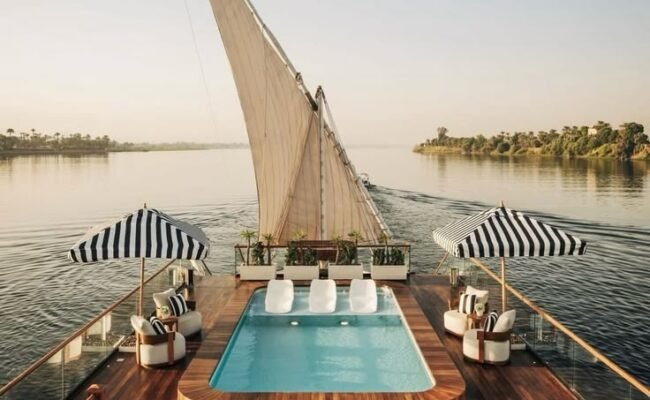
Compare a conventional Nile cruise with a dahabiya by pace, vessel size, comfort, mooring style, accessibility and cost drivers.

Compare Nile cruise directions by trip length, sightseeing rhythm, arrival plans and onward travel before choosing your route.
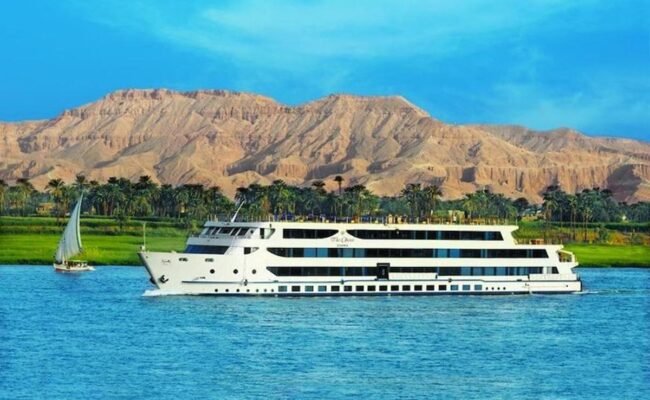
Understand the pace of a three-night Aswan-to-Luxor Nile cruise, including arrival planning, common stops and the Luxor finish.

Choose a Nile cruise by verifying the named vessel, sailing direction, cabin position, board basis, guiding model, inclusions, and operating dates.
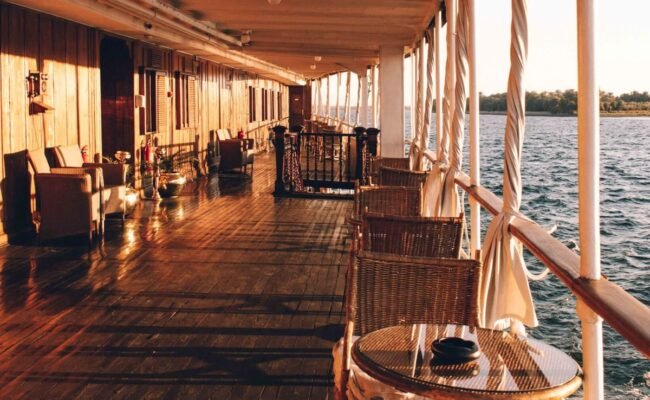
Choose a Nile cruise cabin with confidence by checking deck position, window type, engine noise, bedding, climate control and access.

Use this practical checklist to compare Nile cruise accommodation, meals, sightseeing, guides, transfers, fees and optional costs.
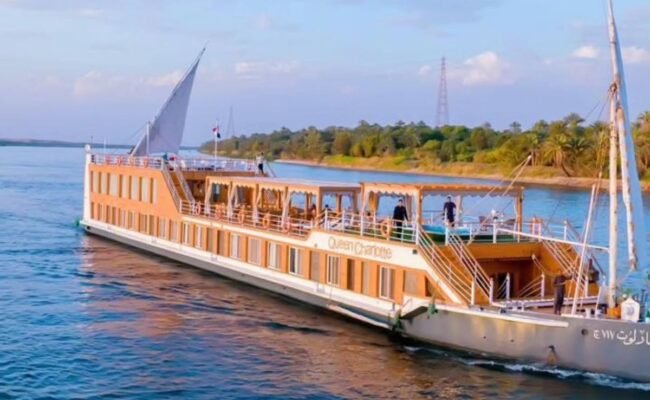
A practical Dahabiya guide covering small-vessel pace, shared versus private sailings, cabins, moorings, access and booking questions.



